



March 4, 1963, marked the arrival of a song that would ripple far beyond the music charts.
With “Surfin’ U.S.A.,” The Beach Boys didn’t just release a hit—they set the tone for a movement that would shape both rock music and American youth culture.
At the time, surf rock was still finding its identity. Its signature sound—echoing guitars and breezy melodies—had been introduced by acts like Dick Dale and His Del-Tones, the Surfaris, and the Chantays. But it remained largely regional until The Beach Boys brought it into the mainstream.
Before this breakout moment, the group had modest chart success with “Surfin’ Safari” and “Surfin’.” Both hinted at their potential, but neither hinted at what was coming next.
When “Surfin’ U.S.A.” hit the airwaves, the response was immediate. The track climbed to No. 3 on the Billboard Hot 100, transforming The Beach Boys into the face of surf rock.
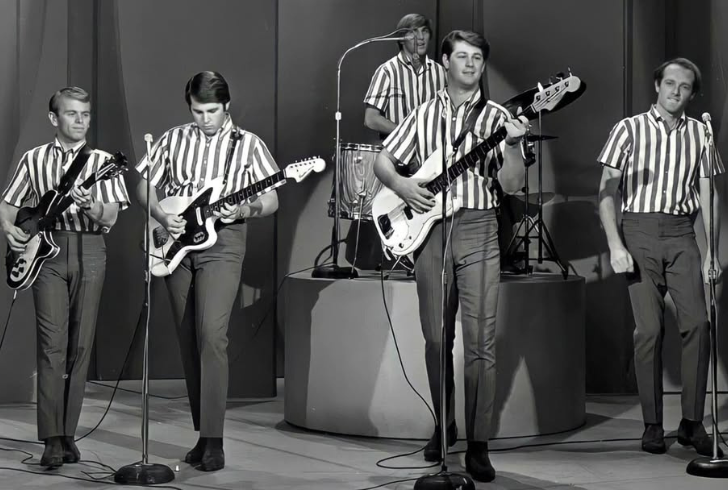
Instagram | @realtime1960s | The track’s rise in 1963 positioned The Beach Boys at the forefront of surf rock.
Lyrics That Captured a Culture
Beyond its melody, the song painted a vivid picture of coastal life. Surf spots became part of its storytelling, turning geography into mythology.
Publications like SongsMagazine and Paste Magazine highlighted its influence, noting how it shaped both the sound and identity of the genre.
The song’s reach extended into lifestyle and imagery, bringing the idea of endless summer into homes far from the coast.
A Soundtrack for Generations
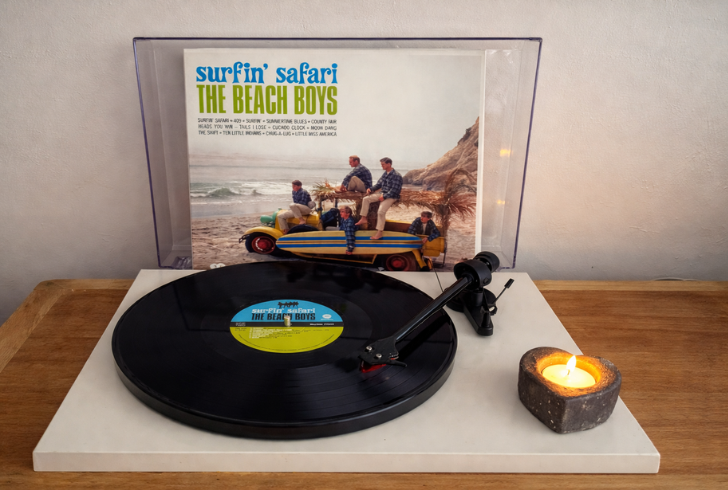
Instagram | @quimvinylcollection | The enduring appeal of “Surfin’ U.S.A.” continues to introduce new audiences to the sound of surf rock.
Its cultural footprint continues through film, with appearances in "American Graffiti", "Teen Wolf", and "Rush Hour." Each use reinforces its timeless appeal.
Even for those far removed from the ocean, the song’s optimism feels universal.
“Surfin’ U.S.A.” didn’t just define a moment—it created one that still lingers.